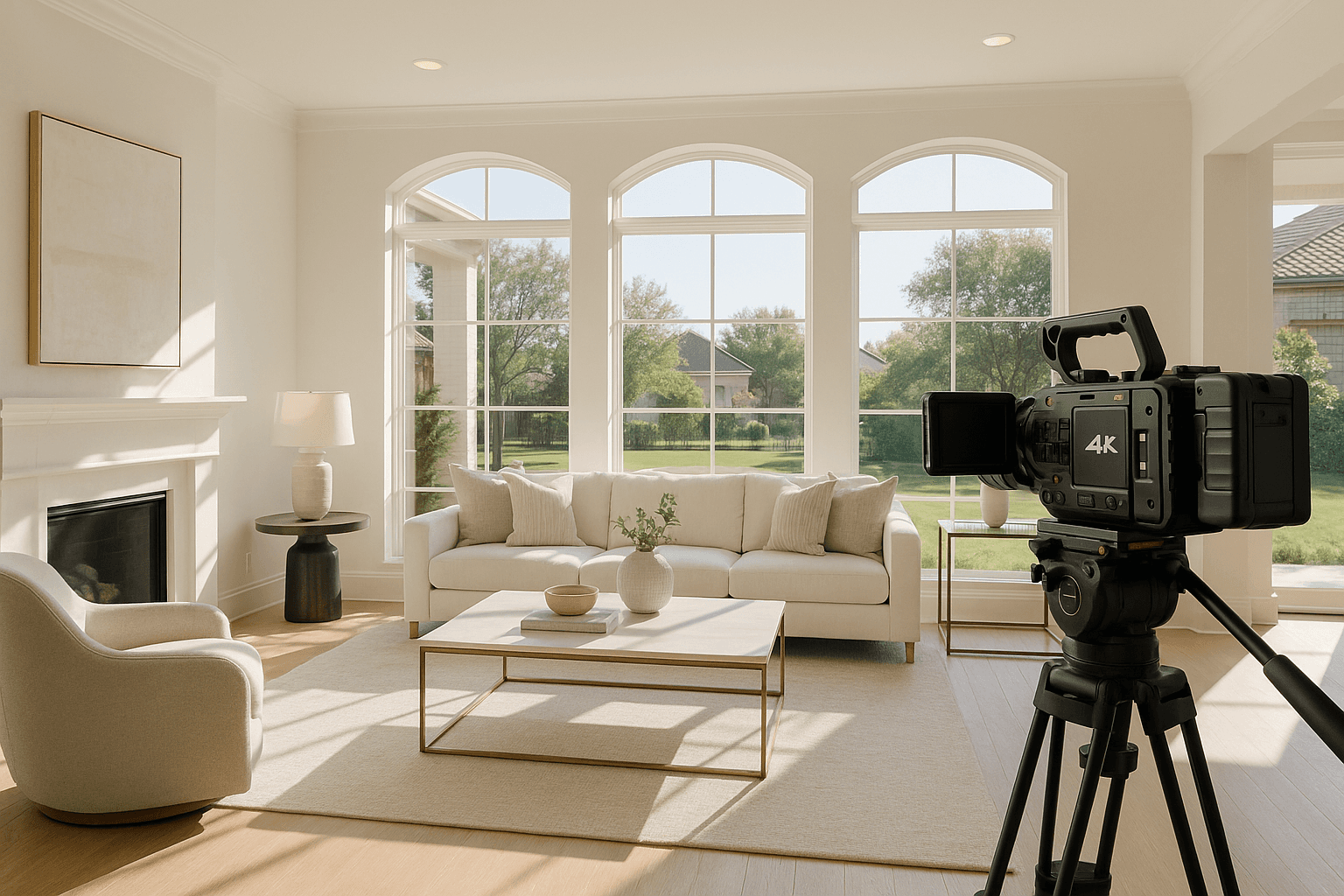


How to Photograph Fort Worth Historic Homes Without Losing Their Character (or Your Listing)
A field guide for selling heritage properties in Tarrant County's most beloved neighborhoods
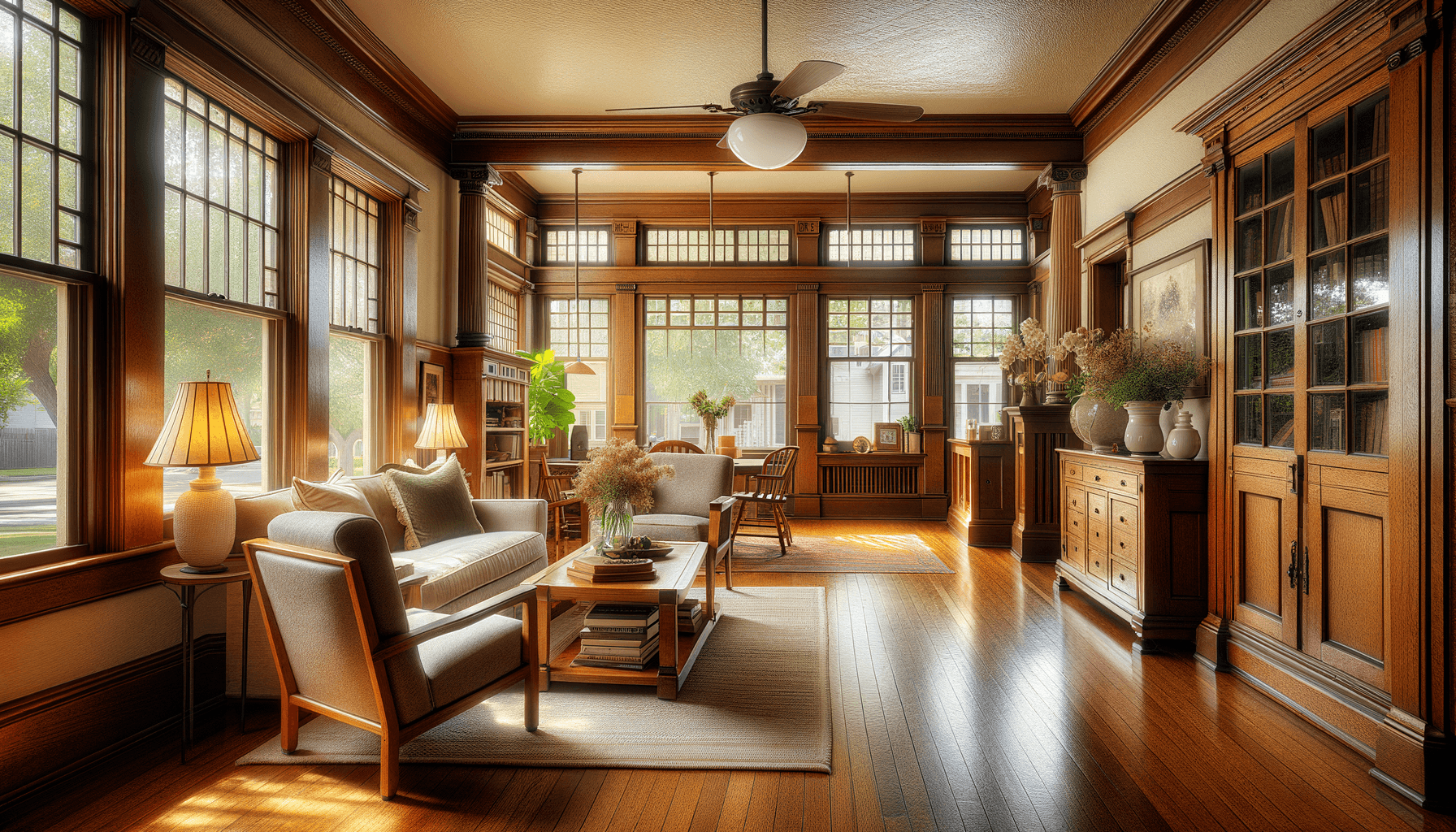
How to Photograph Fort Worth Historic Homes Without Losing Their Character (or Your Listing)
Fort Worth's historic districts — from Fairmount's Craftsman bungalows to the stately homes lining Ryan Place — present a unique challenge for real estate photographers and agents. You're not just selling square footage. You're selling a century of stories, architectural integrity, and neighborhood character that can't be replicated in new construction.
But here's the tension: modern buyers scroll listings on their phones, compare properties in seconds, and prioritize bright, airy photos over moody "architectural" shots. How do you honor a home's heritage without making it look dated? How do you highlight original details without overwhelming buyers who just want to see the kitchen?
This is the balancing act every agent faces when marketing historic properties in Tarrant County. Get it wrong, and your listing sits. Get it right, and you attract buyers who want to be stewards of these homes — and who'll pay for the privilege.
Why Fort Worth Historic Districts Demand a Different Approach
Fairmount, Berkeley, Ryan Place, Mistletoe Heights — these aren't just neighborhoods. They're preservation districts with guidelines, community standards, and buyers who care deeply about authenticity. According to the Texas Historical Commission, historic properties that meet preservation standards can qualify for a 20% federal rehabilitation tax credit, making them financially attractive to the right buyers.
But that only matters if your photography communicates why the home is special in the first place.
The Problem with Generic Real Estate Photography
Standard real estate photography is designed for speed and volume. Wide-angle lenses, HDR blending, and ultra-bright exposures work great for suburban tract homes where every property looks identical. But apply that same formula to a 1920s Craftsman with hand-carved millwork, and you flatten the very details that justify the price.
Buyers looking at historic homes in Fort Worth aren't just comparing your listing to the house next door. They're comparing it to renovated mid-century homes in Dallas, luxury new builds in Southlake, and everything in between. Your photos need to make the case that original hardwood floors, leaded glass windows, and period fixtures are features, not compromises.
What Makes Historic Home Photography Different
1. Light Quality Over Light Quantity
Yes, bright photos perform better online. But "bright" doesn't mean blasting every shadow into oblivion. Historic homes often have smaller windows, deeper rooms, and architectural elements designed for a different era of lighting. Your job is to show the warmth of these spaces, not make them look like a dental office.
Techniques that work:
Natural light at the right time of day — morning or late afternoon when sunlight is softer
Minimal flash or HDR blending — enough to lift shadows without erasing texture
Strategic use of lamps and practicals — turn on period fixtures to show how the home actually feels when lived in
What doesn't work: over-processed HDR that makes wood trim look plastic and ceilings glow unnaturally. If your photos look like they belong in a sci-fi movie, you've gone too far.
2. Frame the Architecture, Not Just the Room
In a new-build home, the architecture is often invisible — clean lines, recessed lighting, neutral everything. In a historic home, the architecture is the story. Original built-ins, coffered ceilings, arched doorways, picture rails — these are the details that separate a $450K listing from a $650K listing in Fairmount.
Your photographer should:
Shoot straight-on, not ultra-wide — wide-angle lenses distort proportions and make historic details look cartoony
Include context shots — show how rooms flow together, how light moves through the house, how original features interact with modern updates
Capture texture — wood grain, plaster walls, tile work, hardware
3. Balance Heritage and Livability
Here's the paradox: buyers love the idea of historic charm, but they also want updated kitchens, modern bathrooms, and functional layouts. Your photography needs to show both.
For updated spaces: Emphasize how renovations respect the home's character. Did the kitchen remodel preserve original cabinetry? Does the new bathroom use period-appropriate tile? Show that.
For original spaces: Make it clear that "original" doesn't mean "outdated." A 1920s bathroom with hexagonal tile and a clawfoot tub isn't a liability — it's a selling point if you frame it that way.
This is where services like property photography essentials or premium property photography matter. A skilled photographer knows how to make historic features look desirable, not like a project.
The Fairmount Standard: What Buyers Expect
Fairmount is Fort Worth's most recognized historic district, and it sets the standard for how heritage homes should be presented. Buyers here aren't looking for a fixer-upper (usually). They want a home that's been thoughtfully maintained or renovated with respect for its original design.
When photographing a Fairmount listing, ask:
Does this photo show why someone would pay a premium to live here?
Are we highlighting unique features that can't be found in newer homes?
Does the home feel warm and inviting, or does it look like a museum?
If your photos answer those questions, you're on the right track.
What About Exterior and Aerial Photography?
Historic homes often sit on mature, tree-lined streets with established landscaping — a huge selling point that new developments can't replicate. Your exterior and drone photography should emphasize:
Street presence and curb appeal — how the home fits into the neighborhood character
Lot size and mature landscaping — old-growth trees, established gardens, original hardscaping
Architectural details — rooflines, porches, original siding or brick
Aerial shots are especially valuable for showing proximity to downtown Fort Worth, nearby parks, and the walkable nature of historic neighborhoods. Buyers in these areas care about place, not just property.
Marketing Historic Homes: Beyond the Photos
Great photography is the foundation, but selling a historic home requires context. Your listing description should reference:
Historic district designation and what it means — preservation guidelines, community standards, potential tax credits
Original features and their significance — "1924 built-ins" sounds better than "old cabinets"
Modern updates that respect the home's character — "kitchen remodel with period-appropriate finishes" vs. "new kitchen"
Neighborhood history and walkability — proximity to local businesses, parks, cultural attractions
Pair your photos with storytelling, and you attract buyers who understand why they're paying more per square foot than they would in a newer neighborhood.
Common Mistakes to Avoid
1. Over-editing to the point of distortion
If your photos look fake, buyers will assume something's being hidden.
2. Ignoring exterior context
Historic homes are inseparable from their neighborhoods. Show the street, the trees, the neighbors' well-maintained homes.
3. Framing original features as liabilities
A butler's pantry isn't "small storage" — it's a period detail. Frame it that way.
4. Skipping twilight or golden hour shots
These homes were designed to look their best in natural, softer light. Twilight photography can make a historic exterior absolutely glow.
The Bottom Line
Selling a historic home in Fort Worth isn't about making it look like a new-build. It's about helping buyers see what makes it irreplaceable. The right photography doesn't erase a home's age — it celebrates it. It shows that "historic" doesn't mean "outdated," and that living in Fairmount or Ryan Place means being part of something that new construction can't replicate.
Your photographer should understand the difference. Because if they don't, your listing will sit while buyers scroll past, assuming the home is either overpriced or stuck in the past.
References
Texas Historical Commission, "Historic Preservation Tax Credits" thc.texas.gov
Brett Furman, "Stage & Market Historic Homes for Max Price" brettfurman.com
Texas Historic Homes, "Texas Historic Home Sellers" texashistorichomes.com