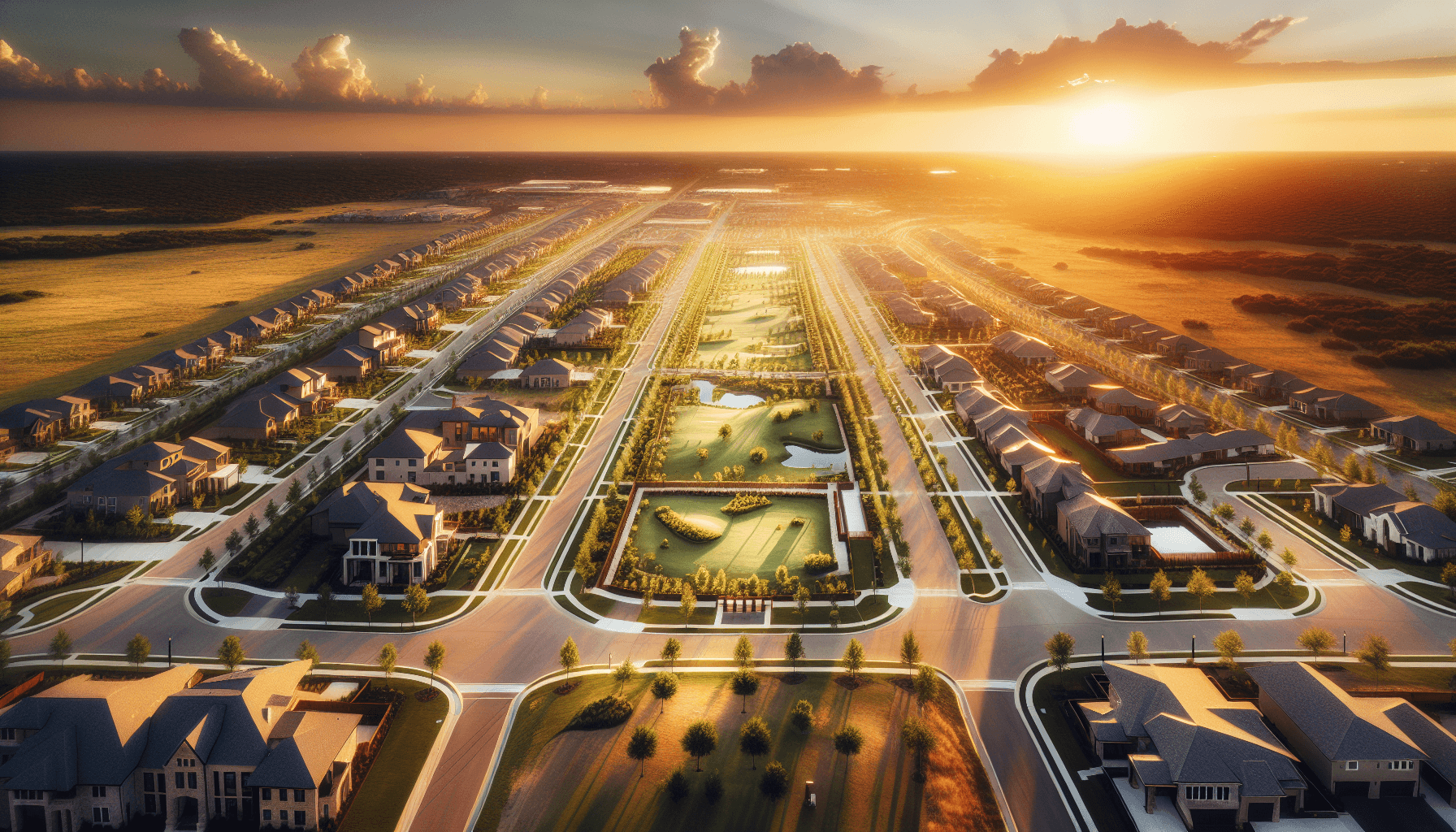


The Aerial Photography Alphabet: Ranking DFW Suburbs by Drone Potential
A practical, media-first ranking for Frisco, Celina, Plano, Arlington, and beyond.
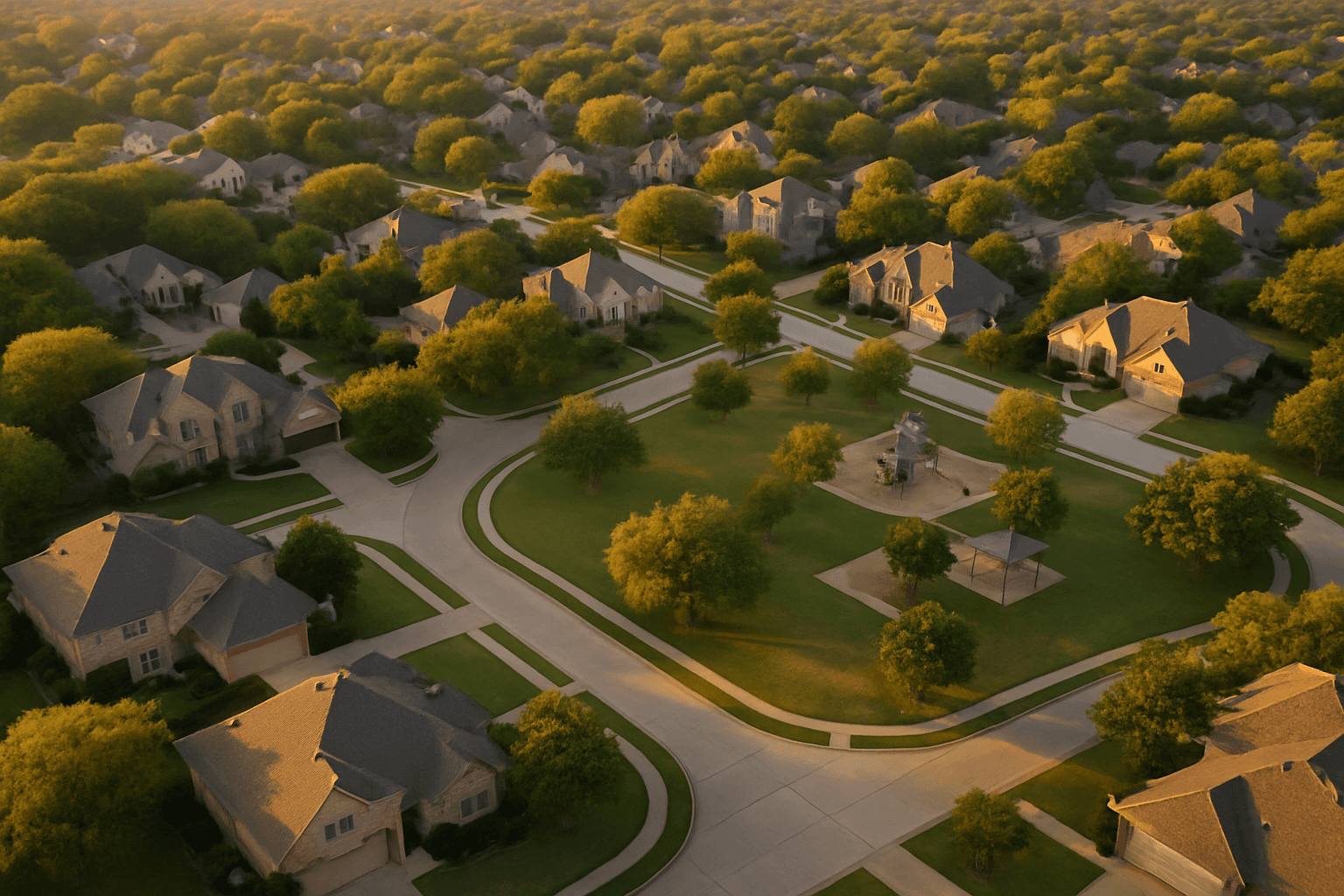
The Aerial Photography Alphabet: Ranking DFW Suburbs by Drone Potential
Not every suburb gives you the same visual payoff from the air.
At The Home Exposure, we reviewed 200+ DFW shoots and saw a clear pattern: neighborhoods with bigger lots, stronger tree canopy, cleaner street geometry, and visible amenity anchors (parks, trails, water, golf, schools) consistently produce stronger hero visuals and higher engagement on listing media.
This guide ranks key DFW markets by drone potential for real estate marketing — specifically from the perspective of what looks best in listing content and what tends to create stronger buyer attention.
How we scored “drone potential”
We used a practical media-first framework:
Lot scale visibility: Can aerial shots show meaningful yard depth and property context?
Canopy & texture: Do trees, ponds, trails, and greenbelts create visual richness?
Street pattern clarity: Do roads and blocks create clean, readable geometry from above?
New construction contrast: Are there active build zones and master-planned communities that benefit from overhead storytelling?
Landmark proximity: Can the shot include recognizable destination markers buyers care about?
Scores are directional and designed for content strategy, not appraisal.
The 2026 DFW Drone Potential Ranking
A-Tier (Best visual yield per flight)
1) Celina
Celina is currently one of the strongest aerial-storytelling markets in North Texas. Rapid growth and newer community layouts make neighborhood context highly visible from altitude.
Why it scores high:
Large and expanding residential footprints
New-build clusters that read clearly from the air
Strong contrast between home lots, roads, and open land
Local data signal: U.S. Census QuickFacts shows very high recent population growth, which aligns with ongoing development momentum and visual inventory expansion in the market.
2) Frisco
Frisco remains elite for premium listing media. You get mature amenity infrastructure plus polished subdivision design, which creates cinematic overhead sequences without forcing wide detours.
Why it scores high:
Balanced mix of established neighborhoods and modern builds
Strong amenity adjacency (parks, retail corridors, schools)
Consistently clean curb lines and lot delineation
Frisco aerials also perform well for relocation buyers who need neighborhood orientation fast.
3) Prosper
Prosper’s lot scale and newer residential planning routinely produce dramatic “space and prestige” aerial framing. For upper-bracket listings, this is a high-conversion visual market.
Why it scores high:
Bigger lot perception from the first frame
Easy-to-read neighborhood organization
Strong luxury positioning support in video + stills
B-Tier (Strong, but neighborhood-dependent)
4) Plano
Plano delivers reliable media outcomes, but results depend heavily on which submarket you’re in. Denser sections can limit cinematic separation, while select pockets still produce high-impact overheads.
Why it lands here:
Excellent neighborhood identity in many zones
Mixed density profile across the city
Great for “proximity storytelling” to amenities and corridors
5) McKinney
McKinney has excellent potential when properties sit near green space or in newer sections with better spacing. Older block patterns can flatten aerial drama unless shot sequencing is intentional.
6) Arlington
Arlington is a volume market with varied housing types and more urbanized density in parts of the city. Drone value is still real — especially for corner lots, parkside homes, and properties near recognizable attractions — but consistency is lower than outer-growth suburbs.
What this means for listing strategy
If your listing is in A-tier suburbs, aerial should be treated as a core asset, not an add-on.
Recommended package strategy:
8–15 corrected aerial stills
30–60 second vertical cut for social
60–120 second cinematic sequence for listing + presentation
A map-style opener to establish neighborhood context in the first 3 seconds
If your listing is in B-tier suburbs, drone still matters — but sequencing and angle selection become more important than raw altitude shots.
Common aerial mistakes we still see in DFW
Flying too high too early (you lose property relevance)
No context stack (home → street → amenities)
Shooting at flat midday light for premium listings
Using the same flight path regardless of neighborhood geometry
Posting raw clips without conversion-focused editing
Compliance matters: FAA basics for agent teams
Commercial real estate drone work in the U.S. typically falls under FAA Part 107 requirements. Teams should ensure flights are conducted by properly credentialed operators and in authorized airspace conditions.
Quick playbook: choosing aerial shot priorities by suburb type
Fast-growth suburb (Celina / Prosper type)
Open with neighborhood scale
Show lot depth and setback
Add amenity sweep (trails, parks, schools)
End with clean property lock-off
Mature premium suburb (Frisco / Plano type)
Start with prestige angle (tree canopy + frontage)
Transition to access/proximity sequence
Use lower-altitude passes for texture and architecture
Close with branded hero frame
Mixed-density market (Arlington type)
Lead with strongest differentiator (corner, park, updated exterior)
Build micro-context, not mega-context
Keep edits tighter; avoid over-wide dead space
Final takeaway
In DFW, drone performance is not random. It follows neighborhood form.
When you match your aerial strategy to suburb geometry, lot pattern, and buyer intent, you get better listing assets, stronger engagement, and a cleaner story for both marketing and presentations.
If you want aerial media that’s built for conversion (not just pretty footage), we can map the shot plan to your exact listing before the pilot ever takes off.
See our real estate media services
Explore drone video options
Schedule your shoot here
References