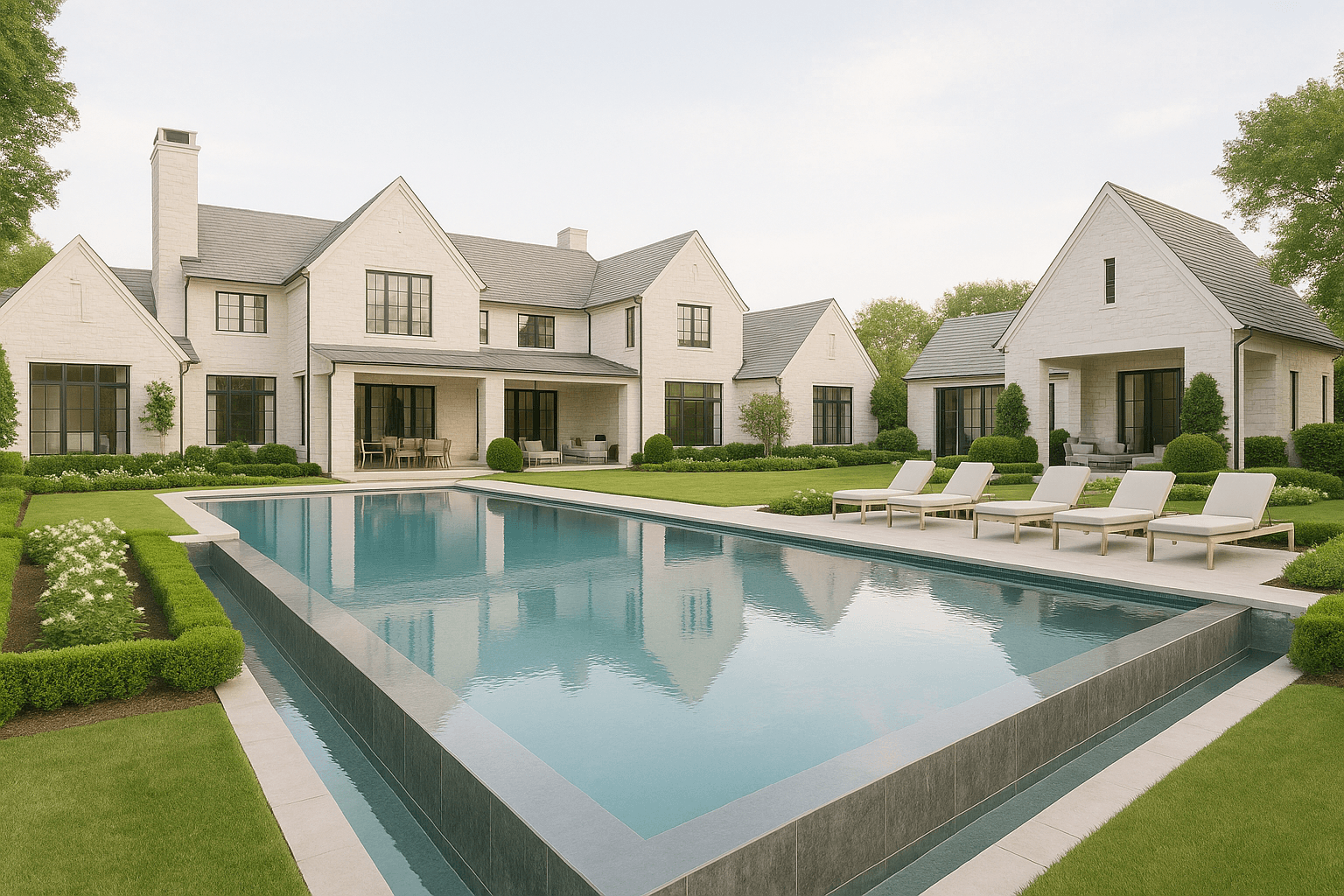


Fifty Shades of Hay: Solving the 'Brown Grass' Dilemma for DFW Listings
Don't let the scorching North Texas sun burn through your commission check—here is how professional media saves curb appeal.
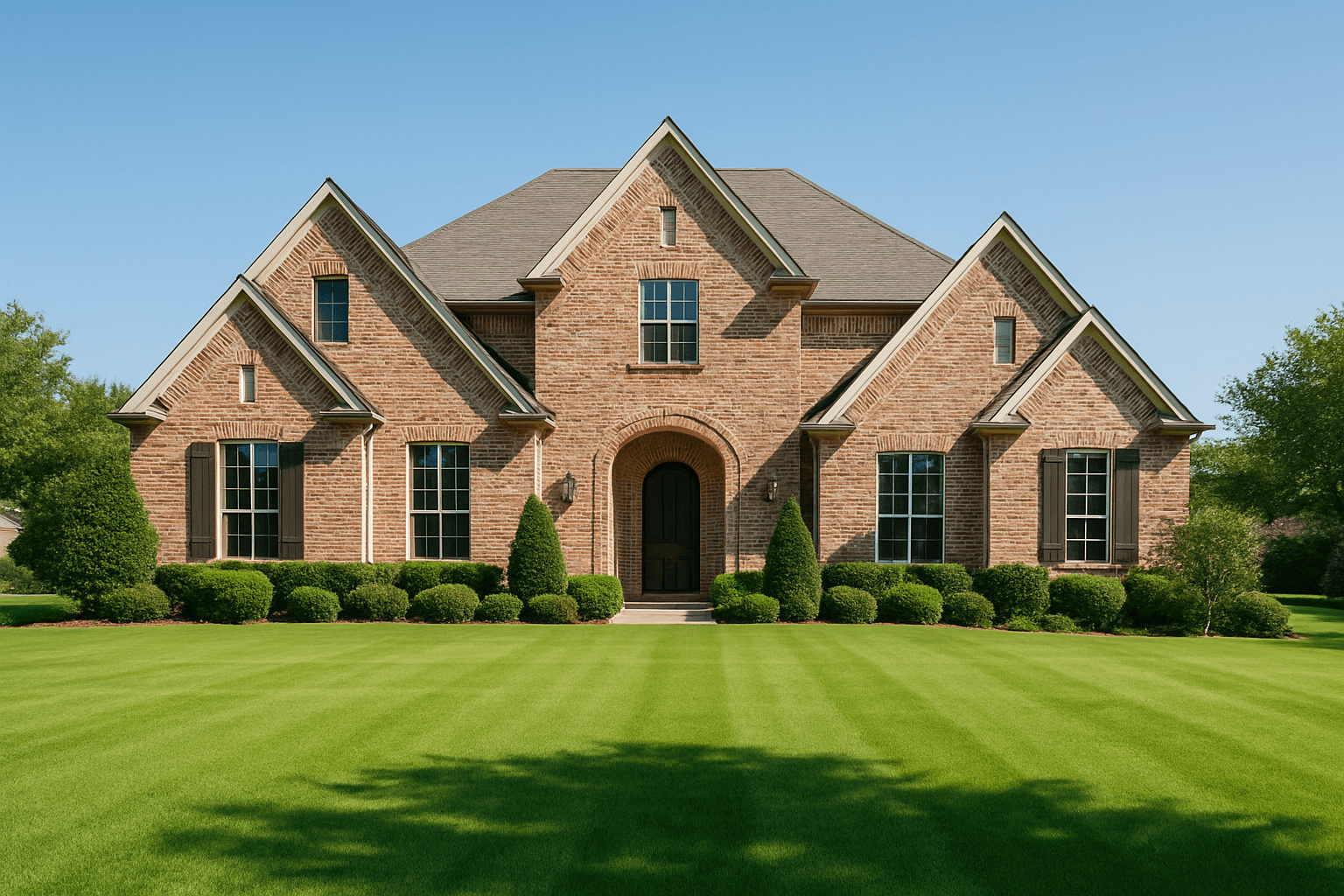
It is a familiar scene for any Real Estate Agent in Dallas-Fort Worth come August. You pull up to a stunning listing in Frisco or a charming bungalow in the M Streets, ready to discuss the listing strategy. The interior is immaculate, the staging is magazine-worthy, and the price is right. But then you step outside.
The yard looks like the surface of Mars.
Welcome to the North Texas summer—where 100-degree streaks are the norm, water restrictions are a headache, and curb appeal often goes to die under the relentless sun. In the real estate industry, we call this the "Brown Grass Dilemma." For a DFW agent, a scorched lawn isn't just a landscaping issue; it is a marketing crisis.
In a digital-first market where buyers swipe left faster than a bored teenager on a dating app, the first photo—the hero shot—is everything. If that hero shot features a patchy, yellow-brown expanse of dormant Bermuda grass, you are fighting an uphill battle before the buyer even clicks "View Details."
But here is the good news: You don't need a hydro-seeding truck or a time machine to fix this. You need professional real estate media strategies tailored for the Texas climate. This guide explores exactly how to leverage high-end photography, ethical editing, and strategic shooting to turn a drought-stricken property into a lush, inviting oasis that commands top dollar.
The "Crispy Curb Appeal" Crisis in North Texas
To understand the solution, we must respect the problem. The DFW climate is brutal on vegetation. Whether it is St. Augustine grass giving up the ghost in Plano or Bermuda going dormant in Fort Worth, the visual result is the same: a lack of vitality.
Why does this matter for your ROI?
Real estate is an emotional transaction justified by logic. "Vitality" is a subconscious trigger for buyers. Green grass signals care, maintenance, life, and coolness. Brown grass signals neglect, heat, work, and expense. When a potential buyer sees a crispy lawn in a listing photo, their brain immediately calculates the cost of sod, the hassle of irrigation repairs, or the sheer misery of trying to rehab a yard in 105-degree heat.
As a high-performing agent, your job is to remove friction. You want the buyer to envision _living_ there, not _working_ there. This is where professional media steps in as your most valuable asset. We aren't just taking pictures of a house; we are managing the perception of the property’s condition.
The Psychology of Color: Why "Summer Dormancy" Kills CTR
Click-Through Rate (CTR) is the lifeblood of your listing. Zillow and Realtor.com are crowded marketplaces. In a sea of listings, the human eye is drawn to contrast and saturation.
Blue Skies: Suggest optimism and good weather.
Green Grass: Suggests health and freshness.
Warm Lighting: Suggests comfort.
When you strip the green out of the bottom third of your image (the yard), you lose the anchor of the photo. The image feels washed out, especially when combined with the harsh, bleached sunlight typical of a Dallas afternoon.
Data consistently shows that homes with professional photography sell 32% faster. But in our local market, during drought conditions, that statistic likely skews even higher for homes that utilize Lawn Replacement Editing. This isn't just about making it look "pretty"; it's about arresting the scroll. You have approximately 2.5 seconds to capture a buyer's attention. A vibrant green lawn does that; a bale of hay does not.
The Digital Hose: What is Lawn Replacement Editing?
This is the primary weapon in the arsenal of a professional DFW real estate photographer. Lawn replacement—often called "greening"—is a post-production technique where the editor digitally enhances the color of the grass to restore it to a healthy, vibrant green.
How It Works
It is not simply painting over the photo with a green brush. High-end editors use sophisticated masking techniques to identify the specific hue of the dead grass and shift it along the color spectrum to a natural green. They adjust saturation and luminance to ensure the texture of the grass remains visible. It should look like grass, not a green carpet or a golf course fairway that was pasted on.
The Ethics of "Greening"
This is the most common question we get from agents: _"Is this legal? Is it ethical?"_
The answer is generally yes, provided you follow the "Representation of Potential" rule.
Ethical: Changing the _color_ of existing grass to show what it looks like when watered or in a different season. You are showing the property's potential.
Unethical: removing permanent fixtures like power lines, filling in dirt patches where no grass exists, or covering up structural issues like a sinkhole.
Think of lawn replacement like virtual staging. You add furniture to an empty room to show scale and potential. Similarly, you "water" the grass digitally to show what the home looks like when the Texas sun isn't actively trying to incinerate it.
Pro Tip for Agents: If the yard is in particularly bad shape (bare dirt rather than just dormant grass), disclose this in the private remarks or add a disclaimer to the photo: _"Grass digitally enhanced to represent seasonal potential."_ This builds trust while protecting the first impression.
The Twilight Advantage: Hiding Imperfections with Lighting
If you want to bypass the "brown grass" issue entirely while boosting the perceived value of the home, there is one service that stands above the rest: Twilight Photography.
Twilight photos are taken during the "Golden Hour" or "Blue Hour," typically 15 to 20 minutes after sunset. At this time, the sky is a deep, rich blue, and the home's interior lights glow warmly.
Why Twilights Solve the Drought Problem:
Lower Light Levels: In the soft, dim light of dusk, the specific shade of the grass becomes less distinguishable. The difference between "lush green" and "dormant beige" is significantly muted by the shadows.
Focal Shift: Twilight photos draw the eye to the _glow_ of the house—the windows, the landscape lighting, and the pool lights. The lawn becomes background texture rather than a focal point.
Emotional Connection: Twilights look expensive. They evoke a feeling of relaxation and luxury. A buyer looking at a twilight shot isn't inspecting the lawn care; they are imagining a glass of wine on the patio.
For luxury listings in areas like Southlake or Preston Hollow, where expansive lawns are common, a Twilight Photos package is the smartest investment you can make during a drought. It completely changes the narrative of the home from "hot and dry" to "cool and elegant."
Mastering the DFW Summer Aesthetic: Blue Sky Replacements
While we are discussing the ground, we cannot ignore the sky. In the peak of a Texas summer, the sky isn't always a perfect blue; it is often a hazy, humid white or grey due to heat and pollution.
A "white sky" combined with "brown grass" creates a low-contrast, unappealing image. Professional real estate media for the DFW market _must_ include Blue Sky Replacement.
By ensuring the sky is a crisp, deep blue, we create a complementary color palette with the home (usually brick or stone in our market). Even if the grass is slightly less than perfect, a brilliant blue sky lifts the entire energy of the photo. It subconsciously tells the buyer, "It’s a beautiful day to buy a house."
Strategic Angles and Composition
Another way professional photographers mitigate the brown grass issue is through composition. An amateur with a smartphone will stand at the curb and shoot the house straight on, often leaving 50% of the frame filled with dead driveway and dead grass.
A professional photographer understands Aspect Ratios of Value. We minimize the negative space.
The Low Angle: By lowering the tripod, we can compress the foreground. This makes the lawn appear smaller in the frame while making the house look grander.
The Elevated Shot: Using a pole or a drone (where legal and safe), we can angle down slightly, focusing more on the roofline and the architecture, or angle in a way that uses landscaping beds (which are often irrigated and mulched) to block the view of the patchy grass.
Detail Shots: We focus on the features that _are_ working—the stamped concrete patio, the sparkling pool, or the covered pergola.
Refreshing the Listing: The Power of the "Update" Shoot
Sometimes, a listing sits. It happens. Maybe you listed in August when the yard was fried, and now it is October. We have had some rain, the temperatures have dropped, and the rye grass is popping up.
But your MLS photos still show the August drought.
Nothing screams "stale listing" louder than photos that clearly depict the wrong season or a worse condition than reality. If the curb appeal has improved because the weather turned, or perhaps the sellers finally fixed the sprinkler system, you need to update that hero shot immediately.
You don't necessarily need to pay for a full shoot again. This is where a Photo Mini session becomes your secret weapon. These smaller, targeted packages are perfect for capturing seasonal updates or specifically re-shooting the exterior once the landscaping has recovered. For a nominal investment, you reset the listing’s clock in the eyes of the buyer. Fresh photos signal a fresh opportunity.
ROI Analysis: The Cost of Media vs. Price Reductions
Let’s talk numbers, because that is the language of top producers.
Consider a median-priced home in DFW (approx. $400,000 - $450,000).
If that home sits on the market because the curb appeal in the photos is lackluster, the first price reduction is typically around $5,000 to $10,000.
Now consider the cost of professional media:
Professional Photography Package (with lawn editing included): ~$200 - $400
Twilight Add-on: ~$150 - $250
Total Investment: ~$350 - $650
You are spending less than 10% of the cost of a single price reduction to prevent the need for that reduction in the first place.
Furthermore, lawn replacement editing and professional exterior lighting prevent low-ball offers. When buyers see "work" (i.e., dead grass), they deduct _double_ the actual cost of that work from their offer price. If re-sodding costs $2,000, they will drop their offer by $4,000 "for the hassle."
By presenting a pristine, green, and inviting exterior through high-quality media, you preserve the seller's equity. You are not deceiving the buyer; you are protecting the negotiation leverage.
Conclusion: Green Means Go
The North Texas heat is inevitable. Brown grass is a seasonal reality. But allowing these factors to damage your listing’s performance is a choice.
As a DFW Real Estate Agent, your expertise lies in navigating the market conditions—and that includes the physical conditions of the property. You advise your clients to declutter the living room and paint the walls neutral colors. Advising them to invest in professional media that corrects the "summer scorch" is no different.
Whether you utilize advanced lawn replacement editing, leverage the mood of twilight photography, or use strategic angles to minimize the drought's visual impact, the goal remains the same: Stop the scroll. Get the showing. Sell the home.
Don't let a few weeks of bad weather dictate the success of your transaction. Green up that grass, get those blue skies, and show DFW that your listings look good rain or shine.
References